Jak zautomatyzować transfer treści z YouTube na chińskie platformy bez zbędnego bólu głowy
Wyobraź sobie taką sytuację: prowadzisz kanał i chcesz dotrzeć do ogromnego chińskiego rynku, gdzie Bilibili i AcFun przyciągają miliony wyświetleń. Problem polega na tym, że ręczne przenoszenie filmów zamienia się w żmudną, niekończącą się pracę. Musisz pobrać klip, wyodrębnić audio, stworzyć napisy, przetłumaczyć je na chiński, wypalić je w filmie, posortować tagi i w końcu wszystko wrzucić, walcząc przy tym z captchami.
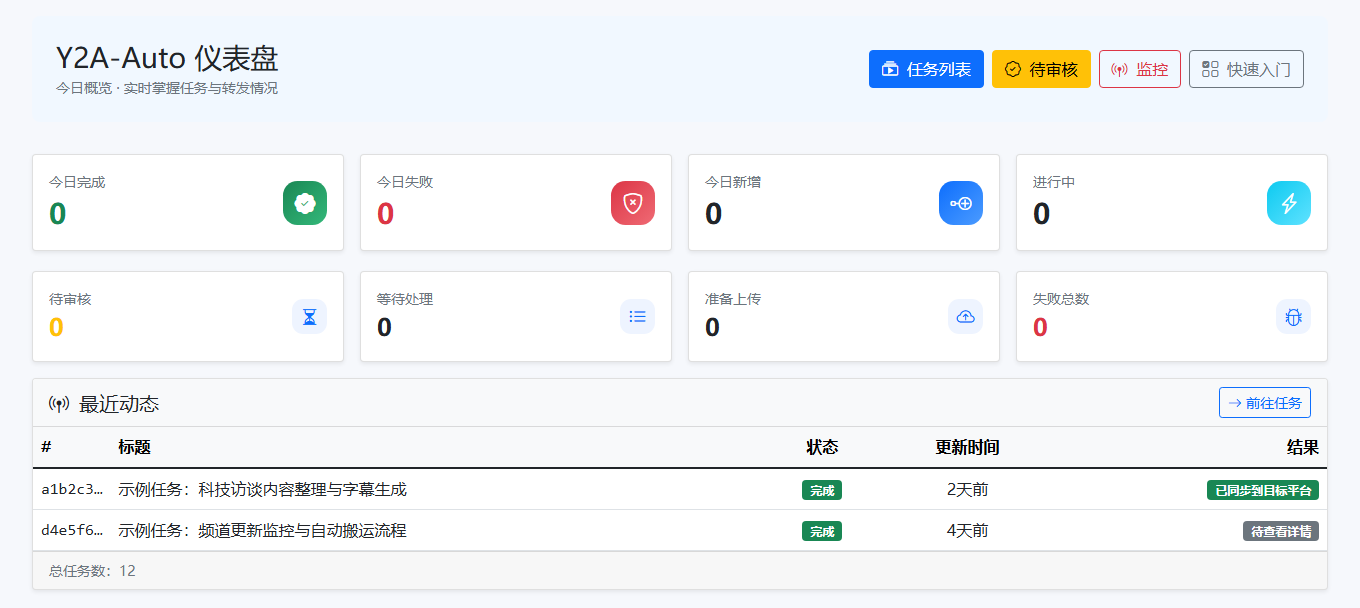
Trafiłem na projekt Y2A-Auto, który bierze na siebie cały ten łańcuch czynności. To nie tylko skrypt do pobierania — to pełnoprawne narzędzie „wszystko w jednym" z interfejsem webowym, które automatyzuje cały proces od monitorowania kanałów po finalną publikację.
Co potrafi to narzędzie „wszystko w jednym"
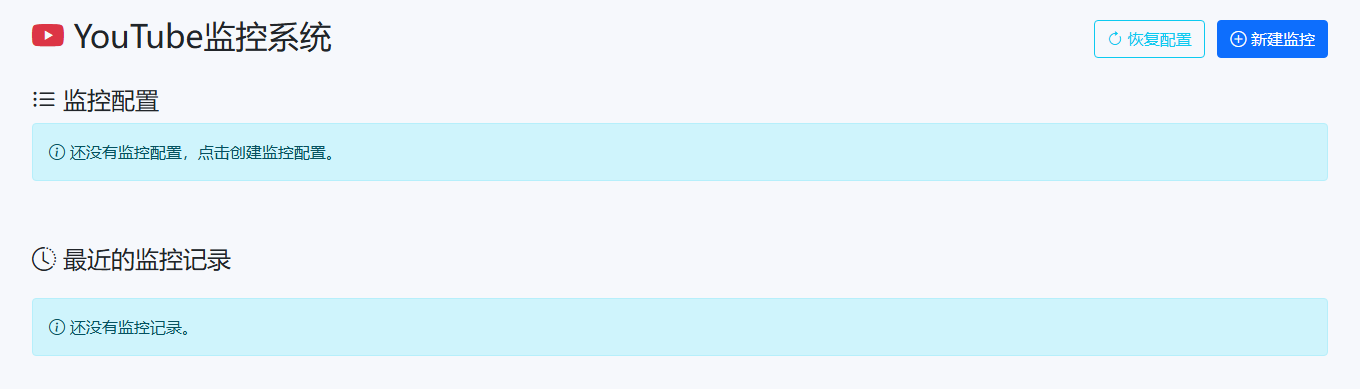
Projekt pozycjonuje się jako rozwiązanie all-in-one. W skrócie — monitoruje wskazane kanały YouTube, pobiera nowe filmy i przepuszcza je przez pipeline przetwarzania.
Przetwarzanie napisów z wykorzystaniem AI
Jedną z najbardziej czasochłonnych części jest lokalizacja. Y2A-Auto wykorzystuje Whisper lub Voxtral do rozpoznawania mowy (ASR). Gdy tekst zostanie wyodrębniony, GPT (przez API OpenAI lub kompatybilne endpointy) tłumaczy napisy.
Ciekawe rozwiązanie: deweloperzy dodali „silnik transformacji napisów". Potrafi on dzielić zbyt długie linie, usuwać wypełniacze typu „eee" czy „yyy", łączyć małe fragmenty, a nawet sprawdzać jakość tłumaczenia za pomocą AI (Subtitle QC). Jeśli sieć neuronowa uzna, że tłumaczenie wyszło wątpliwe, system może zatrzymać proces lub oznaczyć zadanie jako wymagające uwagi.
Inteligentne wrzucanie i metadane
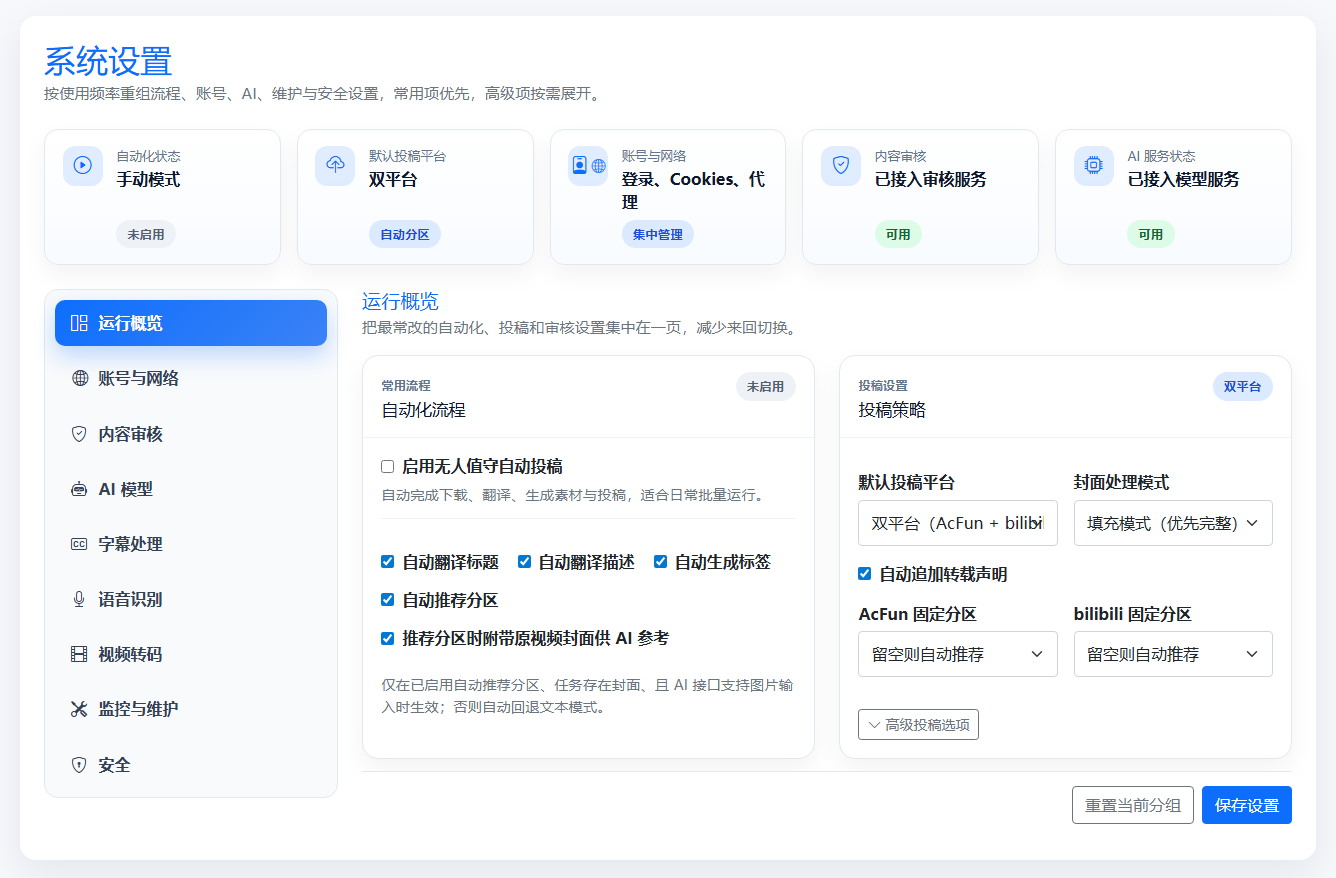
Samo wrzucenie filmu to nie wszystko — trzeba jeszcze uzupełnić opis i tagi. Narzędzie może generować tytuły i krótkie podsumowania na podstawie treści filmu przy użyciu AI. Do uwierzytelniania na Bilibili i AcFun w interfejsie webowym dostępne jest logowanie przez kod QR, dzięki czemu znacznie rzadziej trzeba ręcznie kopiować ciasteczka z przeglądarki.
Szczegóły techniczne i wdrożenie
Projekt jest napisany w Pythonie (3.11+) z wykorzystaniem Flask do panelu administracyjnego. W środku aktywnie korzysta ze sprawdzonych narzędzi: yt-dlp do operacji na YouTube i ffmpeg do wszelkich operacji na wideo.
Najłatwiejszy sposób na uruchomienie to Docker. Deweloperzy przygotowali docker-compose.yml, który od razu pobiera wymagane zależności.
docker compose up -d
Jeśli masz kartę graficzną NVIDIA, Intel lub AMD, projekt obsługuje przyspieszane sprzętowo kodowanie (NVENC, QSV, AMF/VAAPI). W konfiguracji możesz ustawić VIDEO_ENCODER: "auto", a system sam spróbuje użyć GPU, żeby nie przeciążać CPU przy rekodowaniu ciężkich plików wideo.
Bezpieczeństwo i powiadomienia
Ponieważ narzędzie pracuje na Twoich kontach, autorzy dodali podstawową ochronę: hasło do panelu admina, blokowanie IP przy próbach siłowego odgadywania haseł i limity czasowe sesji.
Dla tych, którzy chcą być na bieżąco, dostępna jest integracja powiadomień. Możesz skonfigurować alerty wysyłane przez Telegram (przez osobnego bota), służbowy WeChat lub ServerChan. Od razu dowiesz się, czy film został opublikowany pomyślnie lub czy wystąpił błąd uwierzytelniania.
Dla kogo to jest
Widzę kilka przypadków użycia:
- Twórcy treści: jeśli chcesz rozszerzyć zasięg na Chiny bez spędzania 2 godzin przy każdym filmie.
- Archiwiści: do automatycznego backupu wybranych kanałów na alternatywne platformy.
- Programiści: projekt jest interesujący jako przykład integracji wielu API (YouTube, OpenAI, Bilibili) w jeden spójny system z kolejkami zadań.
Podsumowanie
Y2A-Auto wygląda na solidne narzędzie do wąskiego, ale jasno określonego zadania. Tak, wymaga skonfigurowania kluczy API i proxy (jeśli uruchamiasz je z regionów z ograniczonym dostępem do YouTube), ale zwraca się w automatyzacji.
Jeśli chodzi o wady — dokumentacja jest trochę skąpa, a interfejs jest dostosowany pod chińskojęzycznych użytkowników (choć wystarczająco intuicyjny). Ale jeśli potrzebujesz skonfigurować „pipeline" treści na Bilibili, to jedno z najbardziej kompleksowych rozwiązań na GitHubie.
Możesz wypróbować projekt tutaj: fqscfqj/Y2A-Auto. Tylko nie zapomnij przeczytać sekcji o CookieCloud — znacznie ułatwia życie przy pracy z sesjami YouTube.
Powiązane projekty