A Full-Featured Microcomputer Just One Millimeter Thick
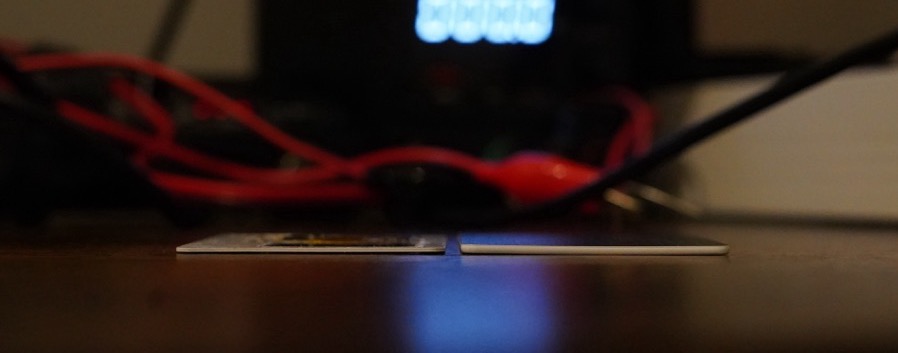
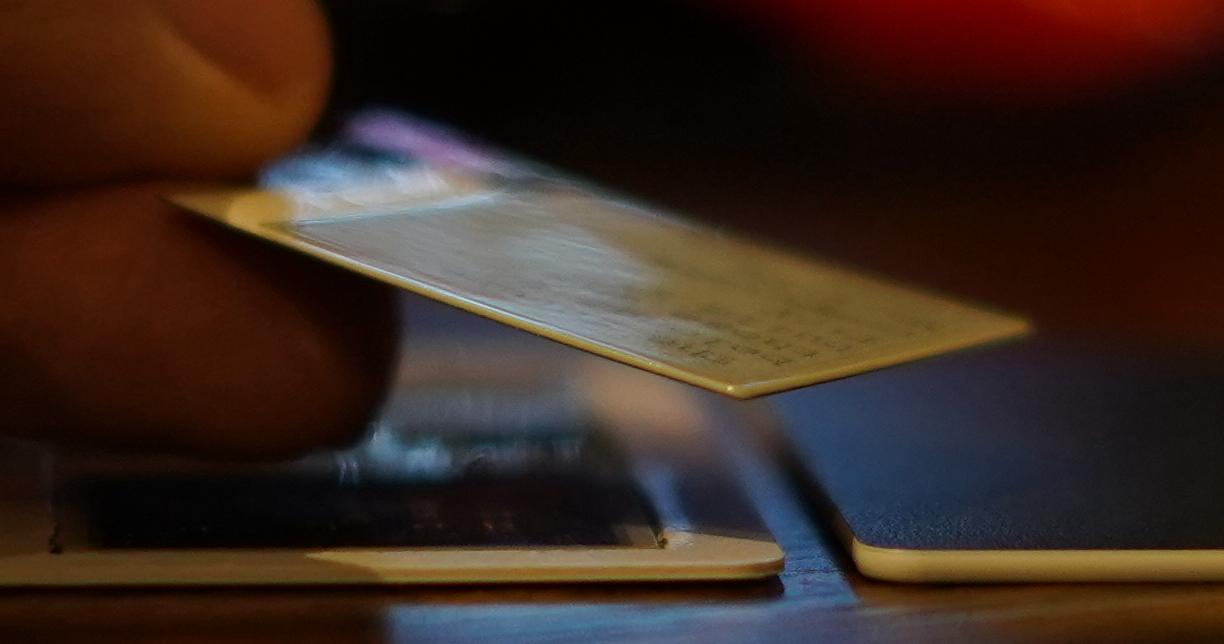
Marketers love writing "credit card sized" on any device whose length and width roughly match the plastic in your wallet. Meanwhile, the device's thickness can easily reach a centimeter. The real ISO 7816 standard requires only 0.76 mm thickness. Try packing a microcontroller, battery, screen, and wireless interfaces into that gap without turning the board into fragile glass.
Developer with the handle krauseler created the muxcard project. It's a working microcomputer based on the ESP32-C3 with an E-Paper display and NFC that fits into approximately 1 mm of thickness. The entire construction can easily fit into a standard card slot.
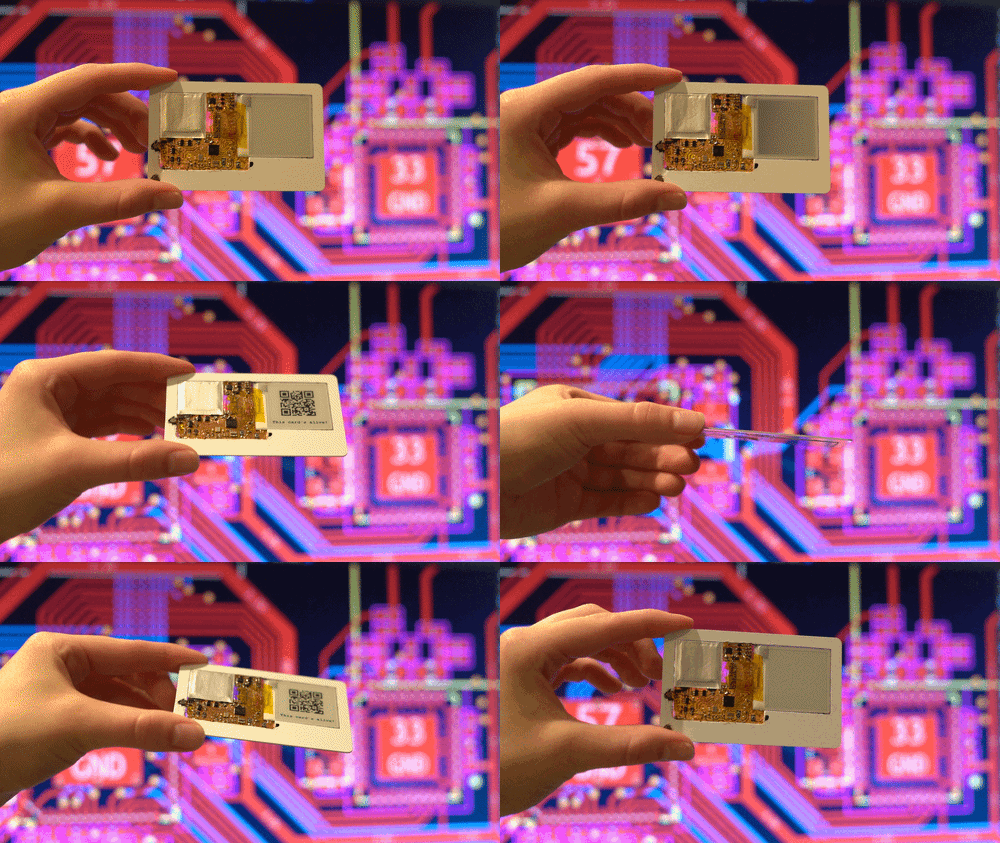
What's Inside the Card
As a base, the author took a standard NFC card housing, cutting out mounting spots for the components in the plastic.
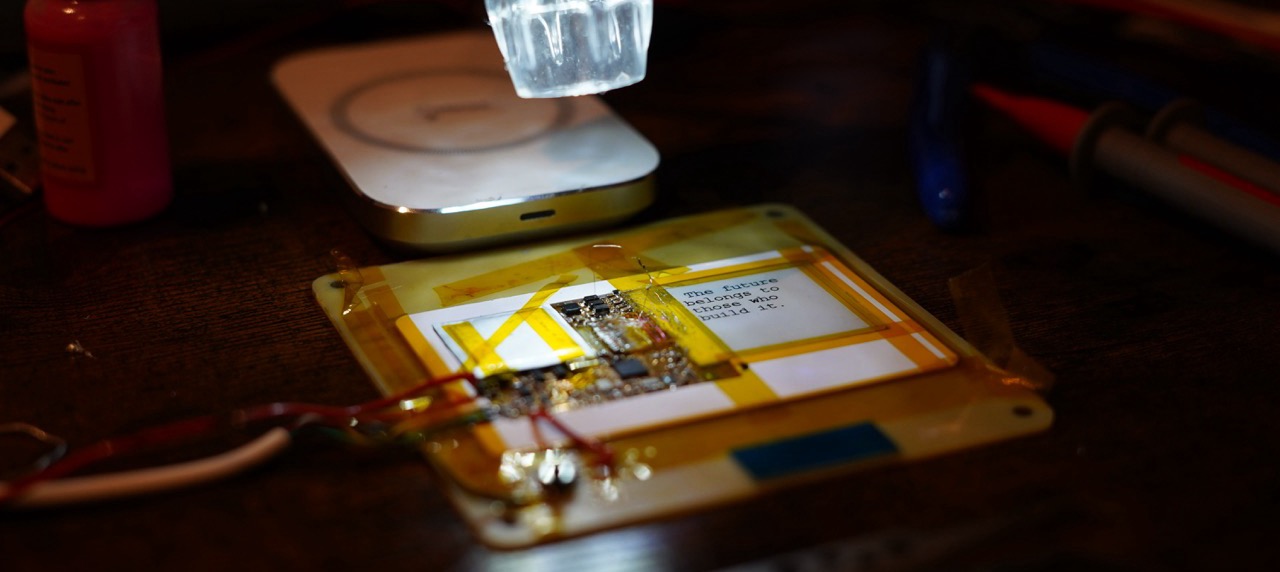
The prototype houses four key components:
- ESP32-C3 microcontroller. The chip with Wi-Fi and Bluetooth LE support has a nominal height of 0.85 mm. In sleep mode with active RTC timer, it consumes about 8 μA. The author also tested the nRF52832 in a 0.4 mm thick BGA package, which uses even less power, but ESP32 is easier to program via Arduino and ESP-IDF.
- 1.54-inch E-Paper display. The matrix with 200×200 pixel resolution supports partial image refresh. A flexible version of the display is used, which tolerates slight deformations in a wallet and won't crack under light pressure.
- NFC module based on RC522. Unlike passive tags, the chip can both read and emulate cards of ISO/IEC 14443 Type A and MIFARE standards.
- LIS2DW12 accelerometer. The package height is 0.7 mm. The motion sensor runs continuously and wakes the microcontroller from sleep on shake or rotation.
The device is powered by an ultra-thin 30 mAh LiPo battery measuring 23×23×1 mm. Charging goes through flat magnetic contacts on the back, although the author is trying to fit a корпусный USB-C port as well.
Lithography on a 3D Printer and Homemade Flexible Boards
When you order flexible printed circuits (Flex PCB) from factories, you have to wait weeks, pay for shipping, and hope there are no small errors in the layout. The Muxcard creator took the hard DIY route and made the board at home.
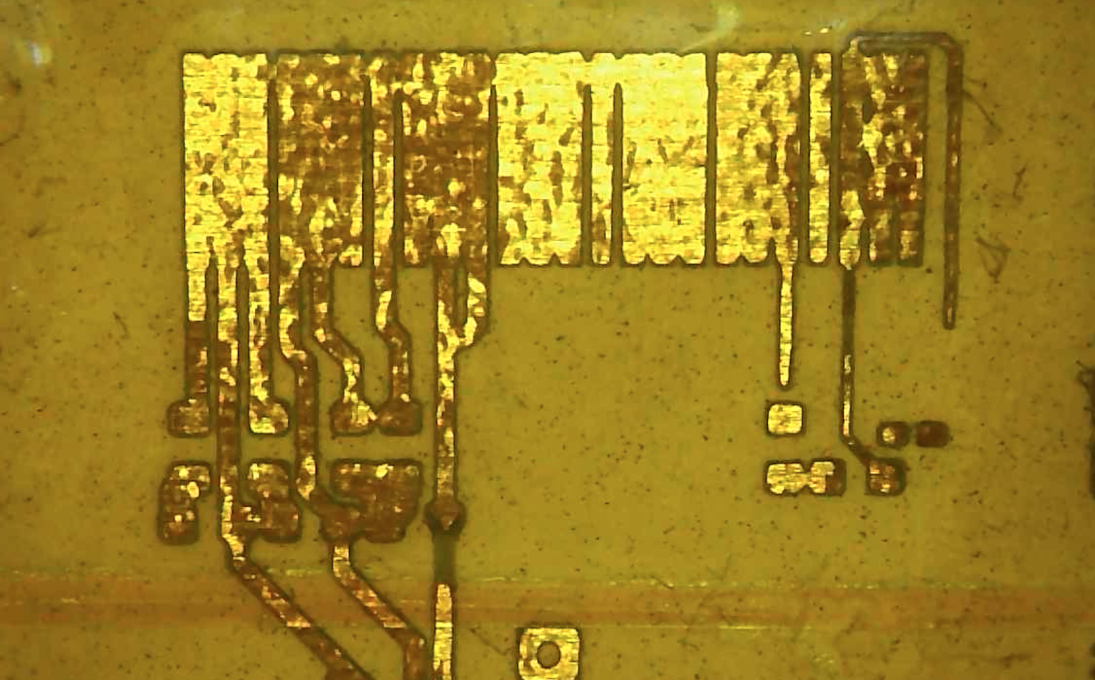
The base was Kapton tape with copper foil attached and a layer of dry photoresist. The traces were exposed using a standard photopolymer SLA 3D printer with the UVTools utility. After etching, the traces came out with clarity close to factory-made boards. The solder paste stencil was assembled from several layers of exposed photoresist film.
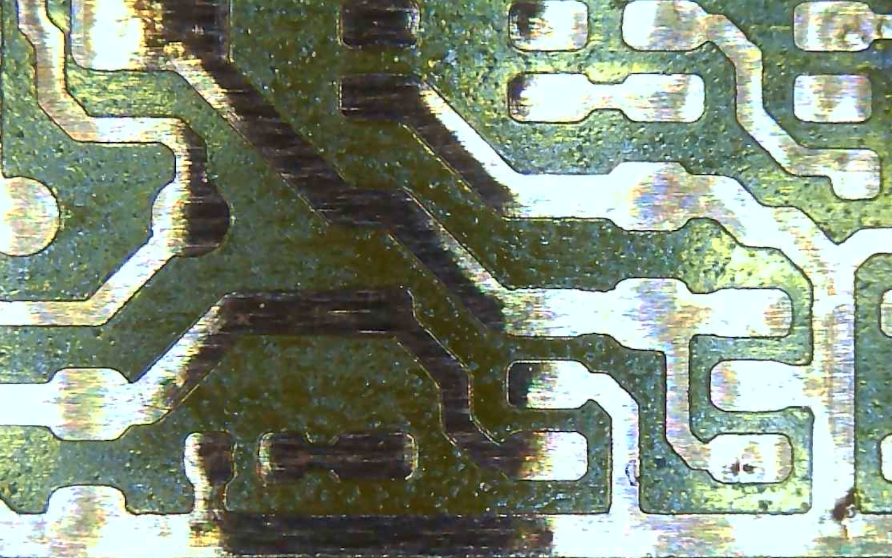
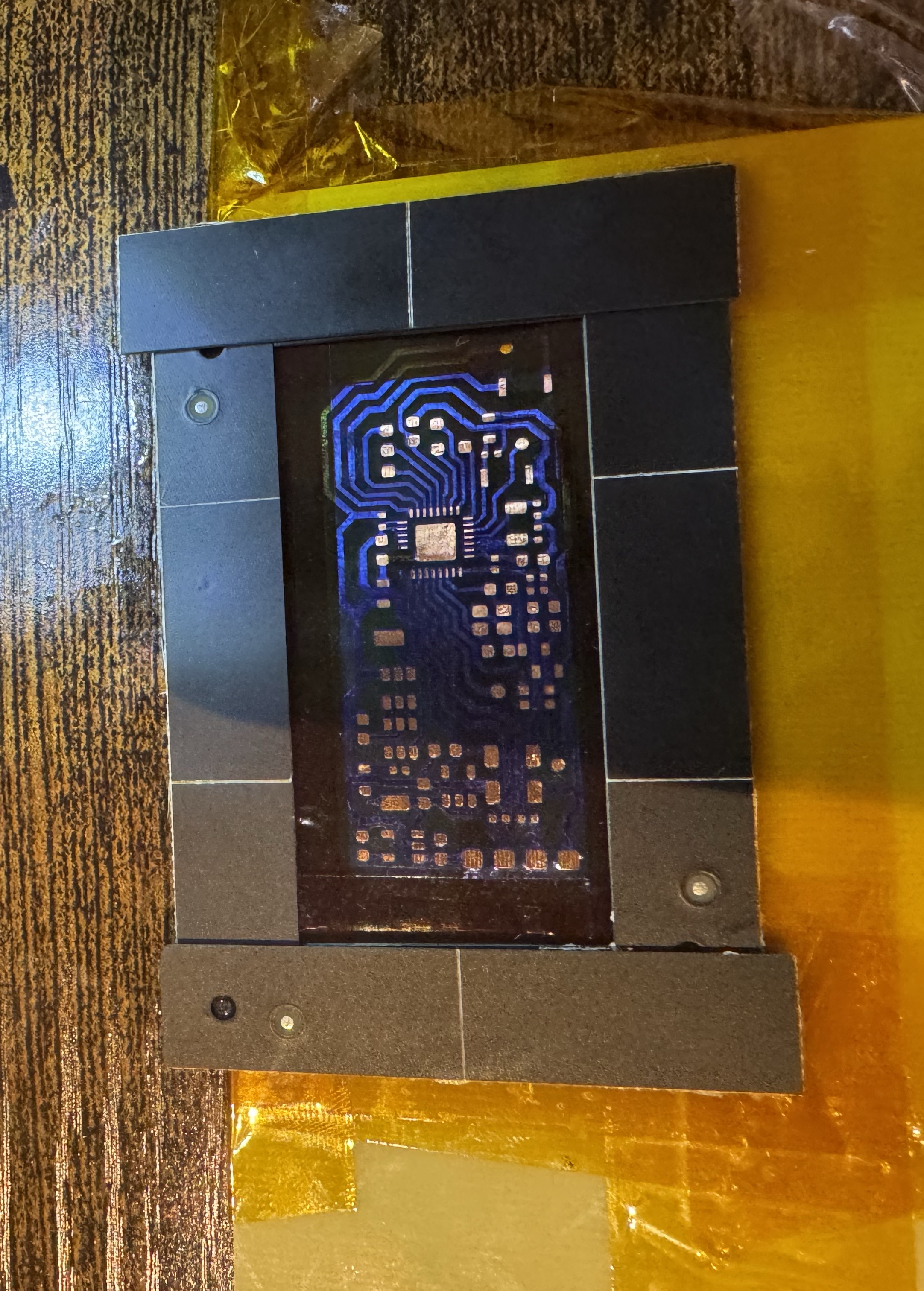
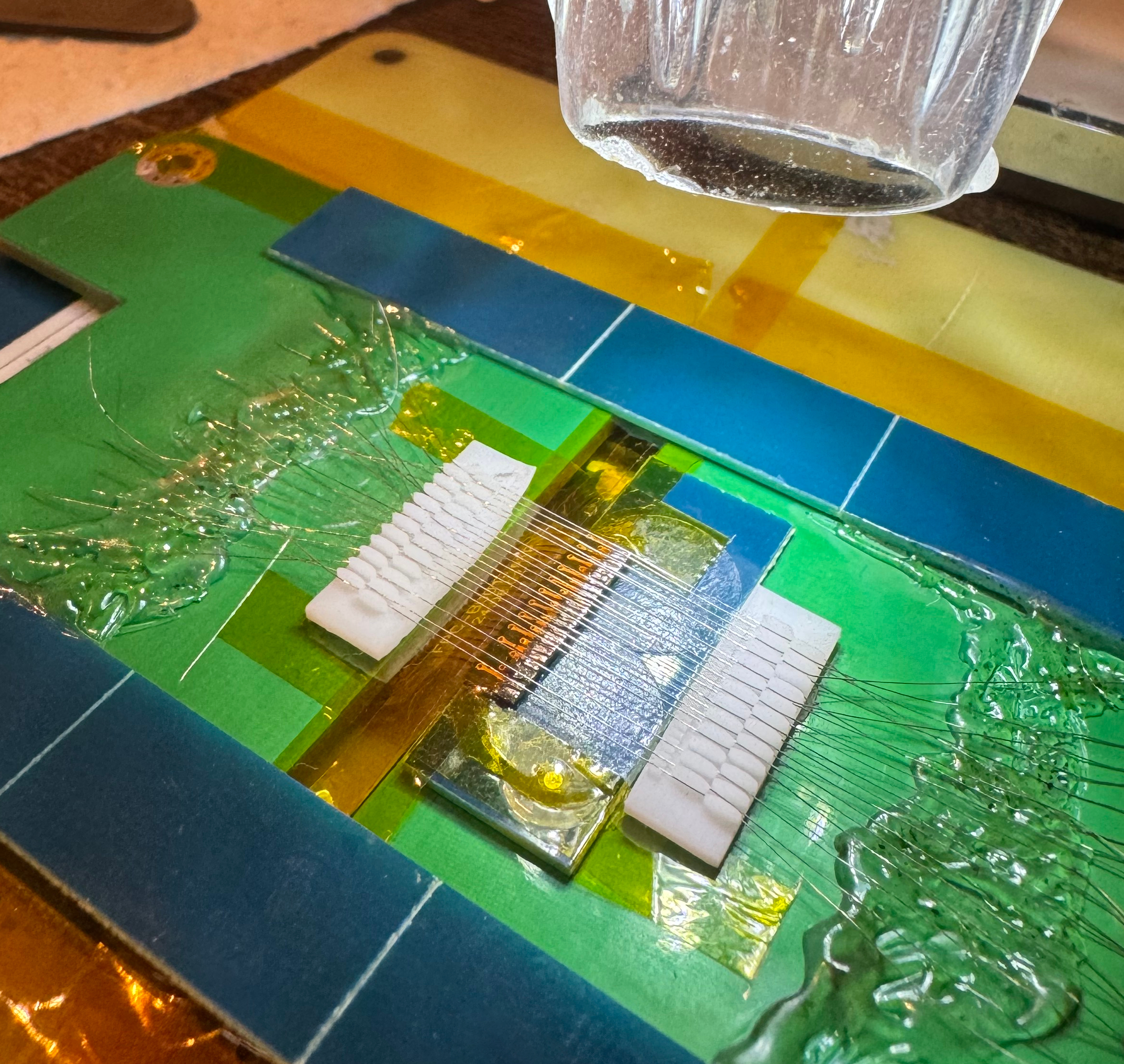
The E-Paper display flex cable turned out to be a separate headache. Standard connectors won't physically fit here—they immediately exceed the thickness limit. The solution was to hand-solder thin traces with 0.5 mm pitch using individual wires directly to the board.
Mechanics and Fighting Flex
A card in a back jeans pocket will inevitably flex. Regular PCB material or rigid component mounting will cause solder joints to break after a few times sitting down.
The author used the island method. Large silicon chips are placed on rigid zones, and mechanical stress bypasses them through specially calculated flexible trace lines on the board. Components have a small amount of play between the outer protective layers of the card, so mechanical load isn't transferred directly to the fragile chip leads.
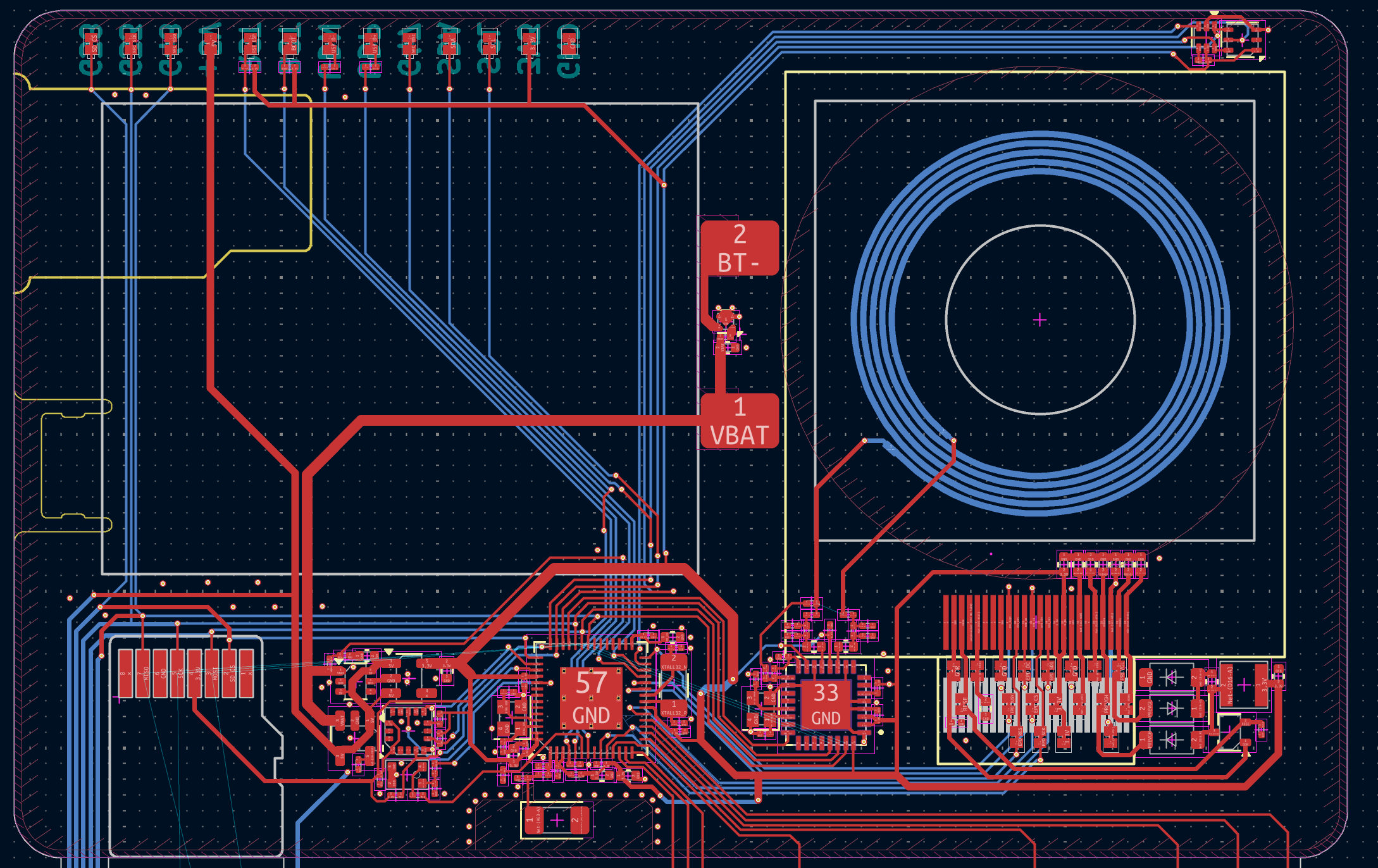
The battery situation is more complicated. The 1 mm thick battery currently touches the outer walls of the card. To protect it from punctures and point pressure, future revisions plan to switch to 0.5 mm cells with thin stainless steel plates on both sides.
What Is This Good For
The form factor dictates interesting use cases where bulky gadgets don't fit:
- Minimalist wallet for codes and tickets. Boarding passes, discount cards, or transit tickets can be displayed on the E-Paper screen. The image doesn't disappear when power is off, and you don't need to pull out your phone.
- Offline 2FA generator and password vault. The device is isolated from the network, generates TOTP codes by timer, and displays them on screen at the touch of a capacitive button.
- Pocket security audit tool. Like a Flipper Zero, but in a format that doesn't attract security system attention.
- Interactive business card. Shows current contacts, changes link QR codes, and transfers profile via NFC on smartphone tap.
Is It Worth Following the Project
Muxcard is in the working prototype V0.1 stage. Schematics and basic layout work have already been posted to the repository. The author is gathering community feedback, testing durability, and preparing a factory prototype.
If you work on wearable electronics, ESP32 microcontrollers, or just want inspiration for dense PCB layout, bookmark the repository. Studying how someone tried to fit a complete system into the thickness of a bank card really expands your horizons in circuit design.
Related projects