Nightingale - Wanneer Alarmering een Kunst Wordt
Het Probleem: Waarom Haten We Alarmering?
Herkenbaar? Om 3 uur 's nachts word je gewekt door een SMS over een servercrash, je verbindt je in paniek met de VPN, en het blijkt — vals alarm. 's Ochtends, wanneer alles rustig is, raakt een belangrijke waarschuwing over database-overbelasting begraven in de algemene chat tussen honderden "succesvolle deployments."
Dit zijn precies de pijnpunten die Nightingale oplost — een open-source monitoring-systeem waarbij alarmering niet alleen aanwezig is, maar verheven tot een kunstvorm.
Wat Is Nightingale?
Oorspronkelijk ontwikkeld bij Didi (het Chinese equivalent van Uber) en later open-source gemaakt, positioneert Nightingale zichzelf als de "alarmeringsexpert." Als Grafana de koning van visualisatie is, dan is Nightingale de virtuoos van notificaties.
Het belangrijkste hoogtepunt van het project — niet alleen het verzamelen van metrieken, maar intelligent verwerken van alerts:
- Slimme alarmruisreductie
- Escalatie van kritieke incidenten
- 20+ ingebouwde notificatiemethoden (van Slack tot SMS)
- Self-healing mogelijkheden (automatische herstel)
Top 5 Redenen om Nightingale te Proberen
1. "Slimme" Alerts Die Je Niet Voor Niets Wekken
Nightingale kan:
- Gerelateerde incidenten groeperen (bijv. 100 gecrashte pods in één cluster)
- Valse positieven uitfilteren
- Prioriteit van "verouderde" alerts automatisch escaleren
2. Flexibele Notificatie Scenario's
Wil je:
- Eerste alert gaat naar Slack
- Herhaalde alert gaat als SMS naar de engineer
- Kritieke storing belt je?
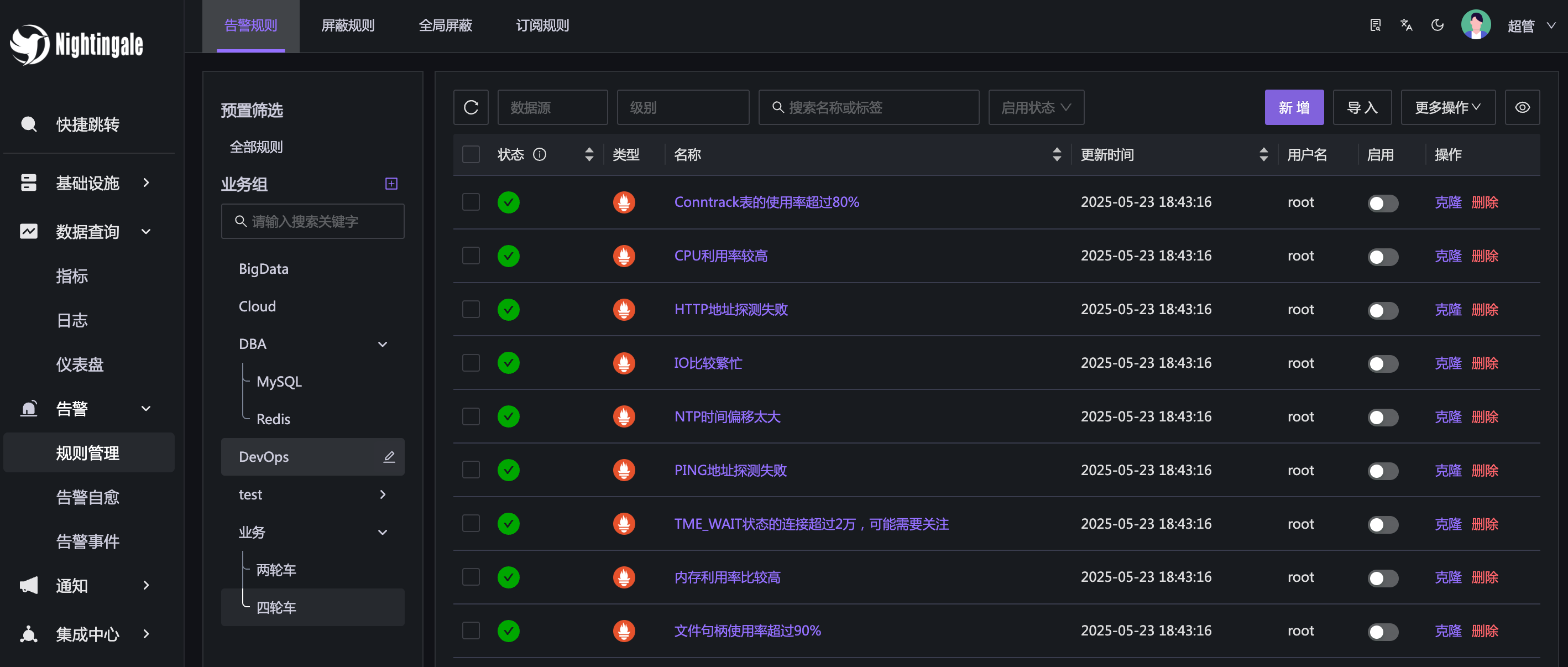
Nightingale handelt dit af via intuïtieve "notificatieregels" zonder scripts te schrijven.
3. Werkt in Gedistribueerde Infrastructuren
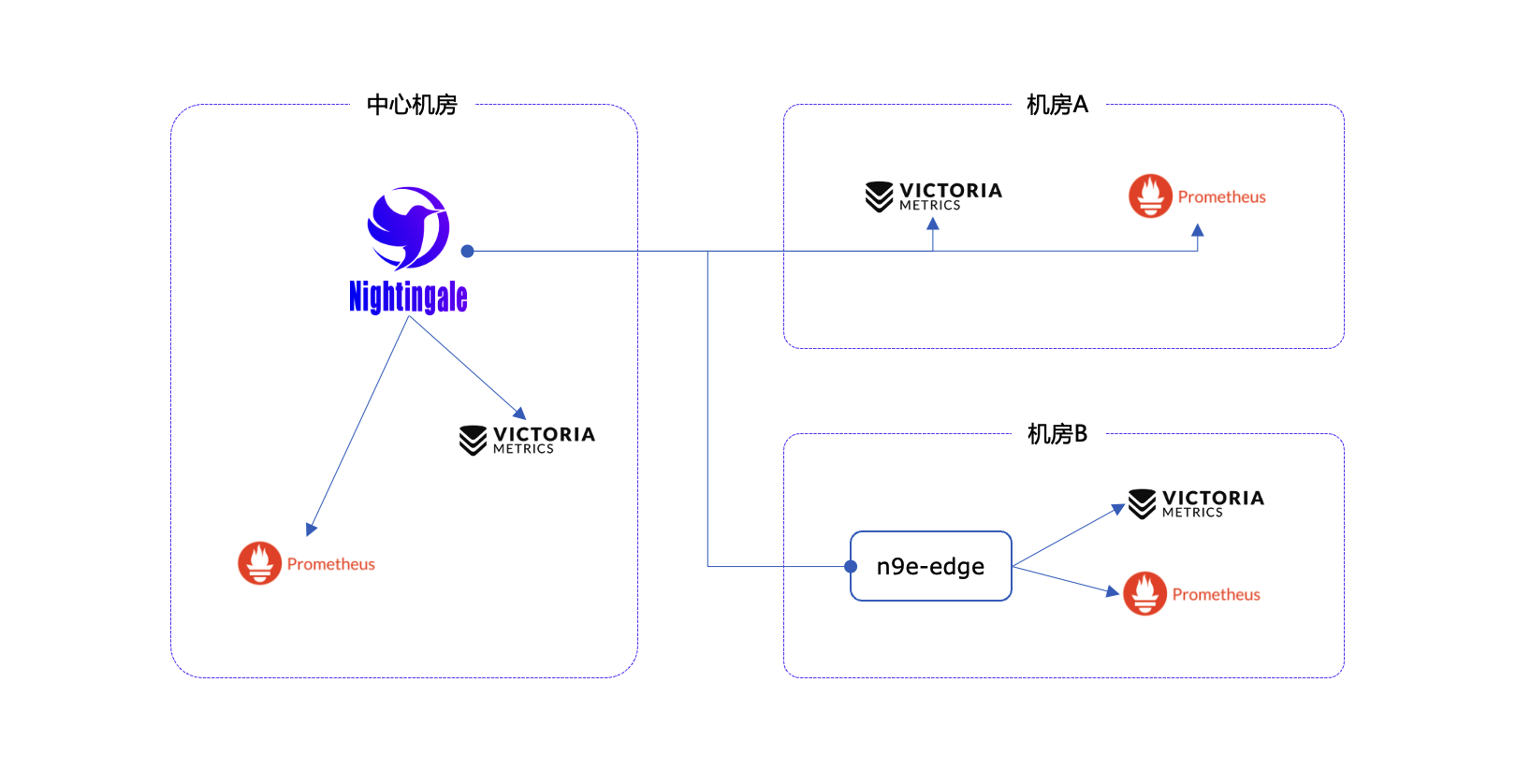
Voor edge-locaties met onstabiel internet biedt het edge mode — een lokale alarmeringsengine die blijft werken zelfs wanneer de verbinding met het centrum verbroken is.
4. Kant-en-klare Dashboards en Regels
Het project bevat voorgeïnstalleerd:
- Dashboards voor populaire databases en middleware
- Alert regelsjablonen (kunnen geïmporteerd worden vanuit Prometheus)
- Metriekbeschrijvingen (zodat je niet hoeft te raden wat betekent)
5. Integreert met Alles
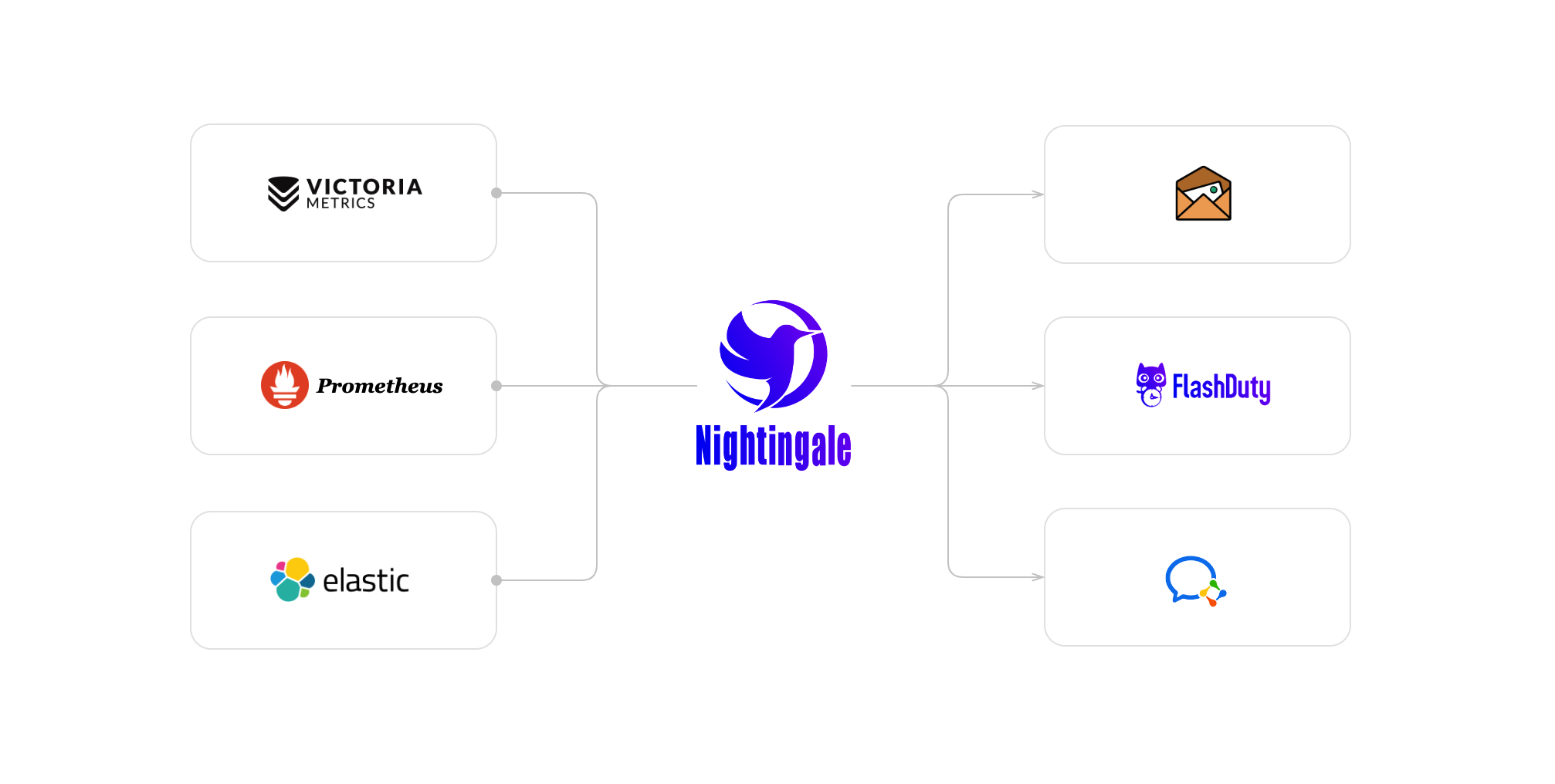
- Databronnen: Prometheus, VictoriaMetrics, ElasticSearch, Loki, MySQL
- Protocollen: Prometheus Remote Write, OpenTSDB, Datadog
- Agents: Aanbevolen Categraf, maar werkt ook met anderen
Hoe Werkt Het Onder de Motorkap?
Architecturaal bestaat Nightingale uit:
- Alerting Core — evalueert regels, beheert incident-levenscyclus
- Connectors — adapters voor verschillende metriekopslagsystemen
- Notification Engine — routeert alerts volgens gedefinieerde regels
- API voor integratie met externe systemen
Voornamelijk geschreven in Go, wat goede prestaties garandeert zelfs onder hoge belasting.
Wie Zal Het Bijzonder Nuttig Vinden?
- Teams met gedistribueerde infrastructuur — edge mode is echt een redder in nood
- Degenen die moe zijn van "alert spam" — het systeem weet echt hoe het ruis moet filteren
- Bedrijven met compliance-vereisten — flexibel rollensysteem en business groups
- Iedereen die Prometheus al gebruikt — integratie is vrij naadloos
Beperkingen
Nightingale is geen wondermiddel. Voor complexe scenario's zoals:
- Volledig incidentbeheer
- On-call rotatie
Ontwikkelaars bevelen eerlijk gespecialiseerde oplossingen aan zoals PagerDuty.
Hoe Begin Je Ermee?
- Deploy de server (instructies)
- Verbind je metriekverzamelaar (ze raden Categraf aan)
- Configureer alarmeringsregels via de webinterface
Voor testen kun je Docker images gebruiken:
docker pull flashcatcloud/nightingale
Conclusie: Is Het De Moeite Waard?
Als je hebt:
-
10 servers
-
5 alerts per dag
- Minstens één vals alarm 's nachts in de afgelopen maand
— dan zeker ja. Nightingale zal je zenuwen en die van je team besparen.
Voor kleinere projecten kan het makkelijker zijn om bij de Prometheus Alertmanager + Grafana combinatie te blijven. Maar wanneer alarmering een probleem wordt — dit is de beste open-source optie die we gezien hebben.
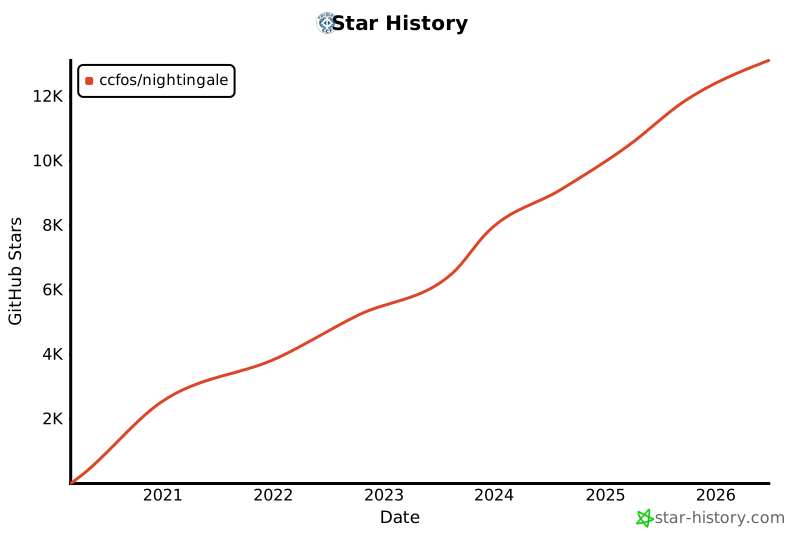
P.S. Het project ontwikkelt actief — het afgelopen jaar is ondersteuning voor nieuwe opslagsystemen toegevoegd en het werken met edge devices is verbeterd. GitHub sterren groeien snel:
Probeer het — misschien is het precies het tool dat je miste.
Gerelateerde projecten